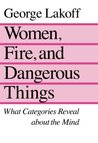
Lakoff argues that poetic metaphor is not essentially different from our everyday language or thought processes. And the metaphors in any poem are largely the metaphors of the culture it was composed in, only elaborated, extended, and wielded by an expert. Lakoff analyzes a number of poems and shows how they can be understood only by making use of a great many metaphors so basic and automatic that we barely notice them at all. Great stuff.
Great book. It’s not an easy read, but it was well worth it for me.
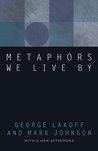
How do we think? From whence do our concepts come and how our they structured? Is language a separate, independent “module” in the brain or is it tied into our other concepts and vice versa? How does syntax relate to semantics? How does semantics relate to truth? How does the body relate to the mind? How well does the traditional view of logic and truth match up with our lived experience?
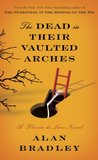
I’m afraid I was somewhat disappointed with Flavia’s latest outing, especially with the direction in which the series seems to be veering. One of the things I loved about the earlier novels was the interplay between the competing explanations of whatever mystery was at hand, many of which were fantastical. But in the end, the resolution was always resolutely practical and was revealed through Flavia’s precocious knowledge of chemistry.
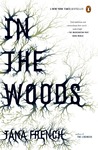
So good. I was expecting a great detective novel and got one. What I wasn’t expecting was how hilarious it would be. Funniest book I’ve read in a while.
Historical fiction set in 12th century Wales and England. Although the romance sometimes veers into the maudlin and overwrought, Penman knows how to keep a reader’s attention.
 More than Cool Reason: A Field Guide to Poetic Metaphor by George Lakoff