An enjoyable collection of essays about the most recent wave of well-written television: The Sopranos, The Wire, Buffy, and all that. The author has interviewed many of the writers and producers involved to get some of the inside story about how those shows came to be made and what their creators thought of them then and now. Good stuff.
A cognitive linguist analyzes the metaphors which underlie liberal and conservative politics in the US. This is fascinating and enlightening stuff and I won’t look at US politics in the same way again.
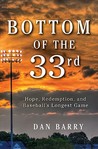
The true(ish) story of the longest baseball game ever played and the subsequent lives of some of the people who played and watched it. Great sportswriting and a fascinating story. By a weird coincidence, there is a recent article in the NY Times by Barry about the same franchise. The new owners are moving the team out of Pawtucket. No joy in Mudville, but I guess that’s baseball.
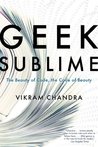
Lovely meditations on the beauty of literature, the beauty of code, and what they might or might not have in common. Chandra also writes about the differences between Western and Indian aesthetics.
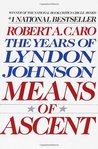
I had heard that LBJ stole the 1948 Texas Senate election, but I had no idea about the astonishing (and pretty much irrefutable) details. Unbelievable. What a strange, strange man he was.
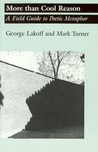
Lakoff argues that poetic metaphor is not essentially different from our everyday language or thought processes. And the metaphors in any poem are largely the metaphors of the culture it was composed in, only elaborated, extended, and wielded by an expert. Lakoff analyzes a number of poems and shows how they can be understood only by making use of a great many metaphors so basic and automatic that we barely notice them at all. Great stuff.
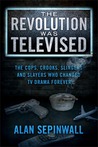 The Revolution Was Televised: The Cops, Crooks, Slingers and Slayers Who Changed TV Drama Forever by Alan Sepinwall