Wow. I had no idea what the high-frequency trading types were actually up to. Craziness. Lewis, as always, makes an obscure story featuring mostly nerds incredibly fascinating.
I very much enjoyed these thoughtful essays on the history and sociology of my tribe. Nugent is sympathetic but still critical and he’s tried, possibly successfully, to leave his early nerdom behind. For better or worse I seem to have a lifetime membership.
A fun tour of modern behavioral psychology through the lens of Sherlock Holmes. Specifically, how can we be more like Holmes, proceeding mindfully through the world, and less like Watson, just muddling through. Thanks Amy!
A history of double-entry accounting. Do not be afraid. It is far more enjoyable than you might have thought. Really.
First of all, the history of accounting goes back to the earliest civilizations and may have played a role in the invention of writing. Things really get going in Venice at the start of the Renaissance when the Venetians discover (or possibly borrow from the Arabs) the techniques of double-entry, the form of accounting used all over the world today, for good or ill. Highly recommended. Thanks Lucas!
A little gem. Smart, thoughtful, and funny essays about video games. And speaking of them, may I recommend The Room series, a perfect way to waste time with a touchpad.
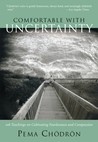
Not quite what I was expecting, but nevertheless good. One hundred and eight micro-chapters, each about two pages long, with a short explication of Buddhism from Chödrön’s perspective. Buddhism and Stoicism have some interesting parallels. In some respects they each start from the same place and reach some of the same conclusions. It’s their tenor that is so strikingly different. Something like the difference between acceptance and resignation.
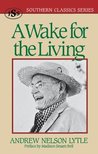
Lytle’s graceful and loving portrait of the lost world of his youth, the Old South. I found it a bit dry in parts, but mostly enjoyable. Basically a lyrical variation of one of history’s oldest laments: The World Is Different Than When I Was Young. To which I had my usual reaction: the past is interesting to visit, but I wouldn’t want to live there. I hope that when I am near the end of my life I will have the courage to see the present and future with kinder eyes.
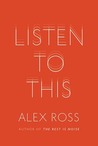
I love reading good music criticism and this is some of the best I have found. Ross’s listening spans genres and periods and the writing reflects a vast knowledge of music history.
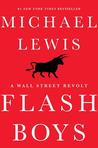 Flash Boys: A Wall Street Revolt by Michael Lewis